AI SEO in 2026: Complete Guide to AI Search Optimization

Introduction
AI SEO in 2026 is changing how businesses approach search engine optimization. Google Search is increasingly using AI experiences such as AI Overviews and AI Mode to help users explore complex questions and discover relevant websites.
For businesses, this means creating useful content, maintaining a technically healthy website, building authority, and providing information that genuinely helps users.
In this guide, you’ll learn what AI SEO in 2026 means, how AI search works, and what you can do in 2026 to improve your website’s visibility.
What Is AI SEO?
AI SEO in 2026 is the practice of optimizing a website so its content can be discovered, understood, and potentially surfaced in AI-powered search experiences as well as traditional search results.
Google’s AI search experiences include AI Overviews and AI Mode, which can generate answers and provide links to websites that support or expand on the information.
AI SEO is therefore not a completely separate form of SEO. It builds on established SEO principles such as:
- Helpful content
- Technical SEO
- Search intent
- Internal linking
- Website performance
- Authority
- Trust
The goal is simple: make your website genuinely useful, easy to understand, and technically accessible.
How Does AI Search Work?
Traditional search often matches a query with relevant pages. AI-powered search can take a more complex approach.
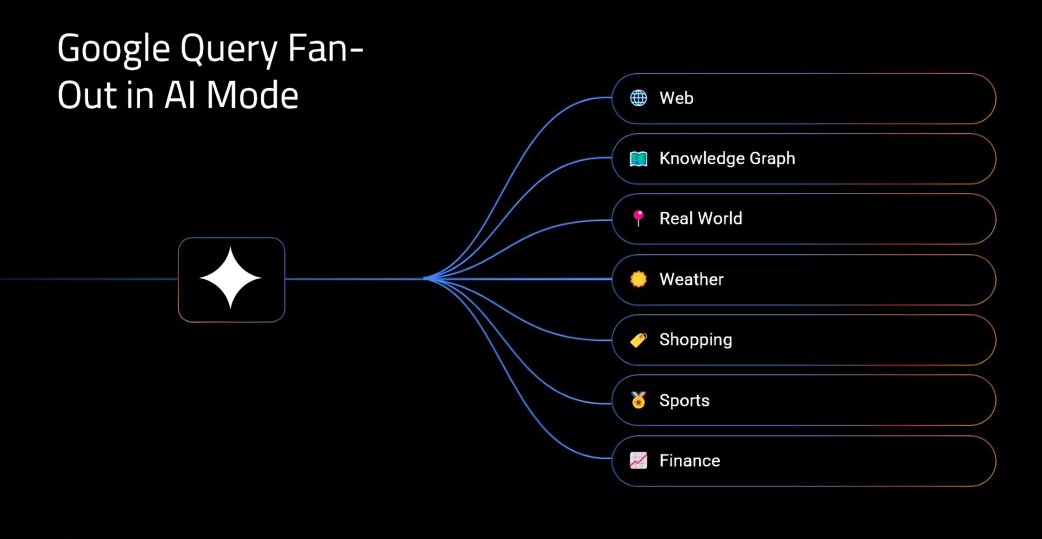
Google describes a process known as query fan-out, where an AI search system may run multiple related searches to explore different parts of a topic before producing an answer.
For example, someone searching for “website development” may also want to know:
- How much does website development cost?
- Which technology should I use?
- How long does development take?
- How can I maintain a website?
- How do I improve website security?
- When should I redesign my website?
This creates an opportunity for businesses to build a connected group of useful pages covering different aspects of the same subject.
Instead of publishing one broad article about website development, you can create supporting content around cost, development, maintenance, security, technologies, and redesign.
This approach helps build deeper topical coverage while giving users more useful information.
AI SEO vs Traditional SEO
| Traditional SEO | AI SEO |
|---|---|
| Focuses heavily on search rankings | Also considers visibility in AI search experiences |
| Often starts with keywords | Places greater emphasis on topics and questions |
| Optimizes individual pages | Encourages connected content ecosystems |
| Uses backlinks to build authority | Focuses on authority, credibility, and useful references |
| Targets conventional search results | Also considers AI-generated search responses |
7 Ways to Improve AI SEO in 2026
1. Publish Original, Helpful Content
AI can make content creation faster, but publishing content simply because it can be generated quickly is not a winning strategy.
Give readers something they cannot easily find elsewhere.
Add:
- First-hand experience
- Original research
- Case studies
- Examples
- Unique data
- Screenshots
- Expert opinions
- Practical recommendations
Instead of asking, “How can I create more content?”, ask:
“What useful information can I add that improves the reader’s understanding?”
That shift can make your content more valuable to both users and search systems.
2. Answer Specific Questions
People increasingly search using detailed, conversational questions.
Instead of creating a page that only targets a broad keyword such as “SEO,” build sections that answer real questions:
- What is SEO?
- How does SEO work?
- How long does SEO take?
- How much does SEO cost?
- What are the most common SEO mistakes?
- How can a small business improve SEO?
Use clear headings and provide direct answers before expanding with additional detail.
This makes your content easier to read and easier to navigate.
3. Build Topic Authority
Publishing one article about a topic is rarely enough to demonstrate deep expertise.
Create a content cluster around your main subject.
For example, an SEO website could cover:
- What Is SEO?
- Keyword Research Guide
- On-Page SEO Guide
- Off-Page SEO Guide
- Technical SEO Guide
- Local SEO Guide
- SEO Audit Checklist
- How Google Ranks Websites
- Core Web Vitals Guide
- Image SEO Guide
Then connect these pages with relevant internal links.
This creates a stronger content ecosystem and helps users move naturally from one related topic to another.
4. Strengthen Technical SEO
AI search still needs to discover and process your website.
Make sure your website has a solid technical foundation.
Check that:
- Important pages can be crawled
- Valuable pages are indexable
- Internal links are easy to follow
- Important information is available in text
- Pages work properly on mobile devices
- Website performance is optimized
- Structured data accurately represents visible content
- Broken links and technical errors are addressed
Technical SEO may not sound exciting, but a great article cannot perform well if search engines struggle to access or understand it.
5. Demonstrate E-E-A-T
Strong AI SEO is not just about information. Credibility matters.
Your content should demonstrate:
Experience
Share genuine examples, practical experiences, and real-world results.
Expertise
Explain subjects accurately and demonstrate knowledge of the topic.
Authoritativeness
Build recognition through quality content, references, mentions, and industry expertise.
Trustworthiness
Be transparent about your business, authors, sources, and claims.
Depending on your website, useful trust signals can include:
- Author profiles
- About pages
- Contact information
- Business details
- Customer reviews
- Case studies
- Original examples
- Reliable sources
6. Make Content Easy to Understand
Good content structure benefits both people and search systems.
Use:
- Clear H2 and H3 headings
- Short paragraphs
- Bullet points
- Tables where appropriate
- FAQs
- Examples
- Step-by-step explanations
- Descriptive titles
Avoid writing unnatural content simply to satisfy an algorithm.
Write for people first.
When content is clear, organized, and useful to readers, it is also easier for search systems to interpret.
7. Keep Business Information Updated
Local businesses should pay particular attention to accurate information.
Make sure important details are consistent and up to date across your website and Google Business Profile.
Review:
- Business name
- Address
- Phone number
- Opening hours
- Services
- Photos
- Reviews
Outdated business information can create a poor customer experience and make it harder for users to trust what they find.
Does AI-Generated Content Help SEO?
Using AI does not automatically make content good or bad for SEO.
AI can be useful for:
- Research
- Brainstorming
- Creating outlines
- Organizing information
- Editing
- Improving readability
The problem begins when businesses use AI to mass-produce low-value pages purely to attract search traffic.
A better formula is:
AI Assistance + Human Expertise + Original Value
Use AI to speed up your workflow, but add your own experience, examples, research, insights, fact-checking, and editorial judgment.
The goal should not be more AI content.
The goal should be better content created with the help of AI.
Do You Need AEO or GEO for AI Search?
You may have heard marketers talking about AEO (Answer Engine Optimization) and GEO (Generative Engine Optimization).
These terms can be useful for describing strategies designed around answer engines and generative search experiences.
However, don’t treat them as secret Google ranking systems.
There is no magic optimization that guarantees your website will appear inside an AI-generated answer.
You don’t need to chase:
- Secret AI markup
- Guaranteed AI ranking hacks
- Special files that supposedly guarantee AI visibility
- Tools promising instant GEO rankings
Instead, concentrate on the fundamentals:
Useful content + Technical SEO + Authority + Trust + Strong user experience
How to Measure AI SEO Performance
You cannot improve what you don’t measure.
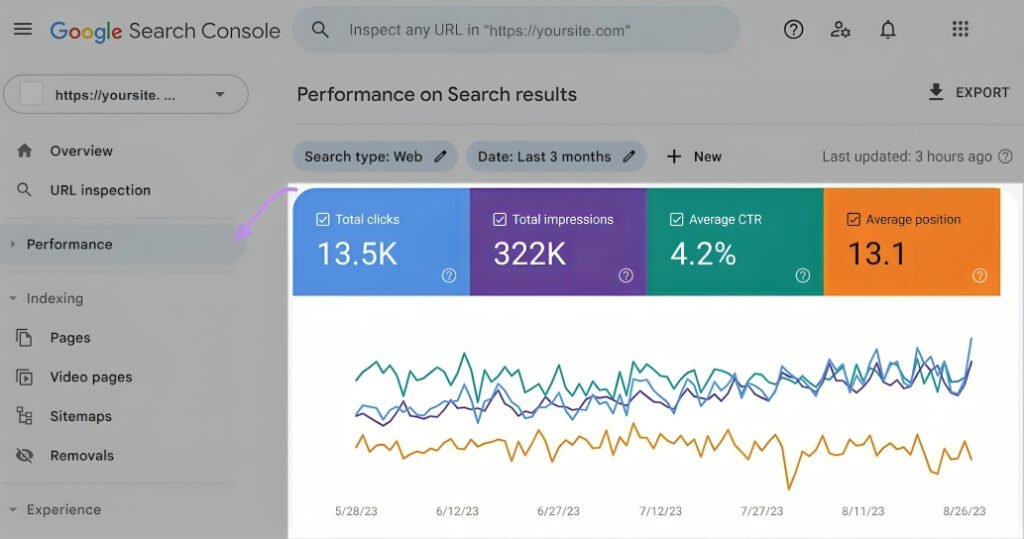
Use Google Search Console to monitor your website’s search performance.
Important metrics include:
- Impressions
- Clicks
- CTR
- Search queries
- Top-performing pages
- Organic conversions
- Search visibility
- AI-search visibility, where reporting is available
Don’t focus only on rankings.
Look at whether your content is attracting the right users and whether organic visibility is contributing to meaningful business results.
Common AI SEO Mistakes
Avoid these common mistakes when optimizing for AI-powered search:
Publishing Large Amounts of Low-Value AI Content
Creating hundreds of pages simply to capture search traffic can lead to poor-quality content and may fall under Google’s spam policies.
Copying Competitor Content
If your article says exactly what everyone else is saying, it gives users little reason to choose your website.
Writing Only for Search Engines
Keyword optimization should never make content difficult or unnatural to read.
Keyword Stuffing
Repeating keywords unnecessarily can damage readability and does not create better content.
Publishing Generic AI Content
AI-generated text without original insight often sounds similar to content already available online.
Ignoring Technical SEO
Even excellent content needs to be accessible, crawlable, and technically healthy.
Ignoring Search Intent
Ranking for a keyword is less valuable if the content doesn’t satisfy what the searcher actually wants.
Publishing Outdated Information
AI search and SEO are changing rapidly. Review important content regularly.
Believing Every GEO or AEO Claim
Be cautious of anyone promising guaranteed AI search rankings.
Expecting Instant Results
SEO is a long-term process. Building authority and earning meaningful visibility takes time.
Best Practices for AI SEO in 2026
A simple way to think about AI SEO in 2026 is:
Useful Content + Technical SEO + Experience + Authority + Trust + Continuous Improvement
Don’t completely change your SEO strategy just because search is becoming more AI-driven.
Instead, improve the fundamentals that already make a website valuable.
Create better content. Answer better questions. Build stronger topic coverage. Improve your website. Earn trust. Then measure what works.
Conclusion
AI SEO in 2026 is not about finding a shortcut to appear in AI-generated answers. It is about creating content that search engines can discover, understand, and confidently use as a useful source.
Build technically sound websites, publish original information, answer real questions, demonstrate experience, and create a strong network of related content. Learn more about Technical SEO, and How to Rank Your Google Business Profile in our detailed guides.
Most importantly, don’t abandon traditional SEO. Google’s current guidance confirms that SEO fundamentals remain the foundation for visibility in AI-powered search experiences.
ALSO READ:
- Google Search Console 2026: Complete Beginner’s Guide
- What Is On-Page SEO? A Complete Beginner’s Guide for 2026
Frequently Asked Question (FAQs)
1. What is AI SEO?
AI SEO in 2026 is the process of improving a website’s visibility across traditional search and AI-powered search experiences such as Google AI Overviews and AI Mode.
2. Is AI SEO different from traditional SEO?
AI SEO in 2026 builds on traditional SEO. Technical SEO, helpful content, internal linking, indexing, and website quality remain important.
3. Does AI-generated content rank on Google?
AI-generated content can appear in Google Search, but content created primarily to manipulate rankings or generated at scale without adding value can violate Google’s spam policies.
Aman Khati
Digital marketing expert at Gundrux. Specialising in SEO, WordPress, Social Media Automation and Faceless AI YouTube.